How to Tell if Someone Is Active on Snapchat?
I’ve used Snapchat for years, and one question I’ve asked myself many times is whether someone is actually active on the app or not. Snapchat doesn’t show a simple “online” status like some other platforms, so figuring this out takes a bit of observation. Over time, I started noticing patterns that helped me understand Snapchat activity better through Snapchat activity indicators.
In this guide, I’m sharing my personal experience and observations to explain how you can tell if someone is active on Snapchat without crossing privacy boundaries or relying on myths.
Understanding Snapchat Activity
Before jumping to signs, I learned that Snapchat activity isn’t always real-time. Someone can open the app briefly, reply later, or even appear inactive while still using certain features.
This is important because many people assume activity means chatting nonstop. From my experience, Snapchat activity is more subtle and spread across different features.
Checking Snap Map Activity
One of the first places I look is Snap Map. When I enabled it for myself, I realized how revealing it can be if used carefully.
If someone has Snap Map turned on, their Bitmoji updates location when they open the app. I noticed that when a friend’s Bitmoji moved locations or updated recently, it usually meant they had opened Snapchat.
However, this isn’t always instant. Sometimes the location updates with a slight delay, so I don’t rely on it alone.
Personal Observation
I once noticed a friend’s Bitmoji appearing at home late at night after being away earlier. When I sent a snap shortly after, they replied quickly. That’s when I realized Snap Map updates often align with real activity.
Chat Indicators and Typing Signals
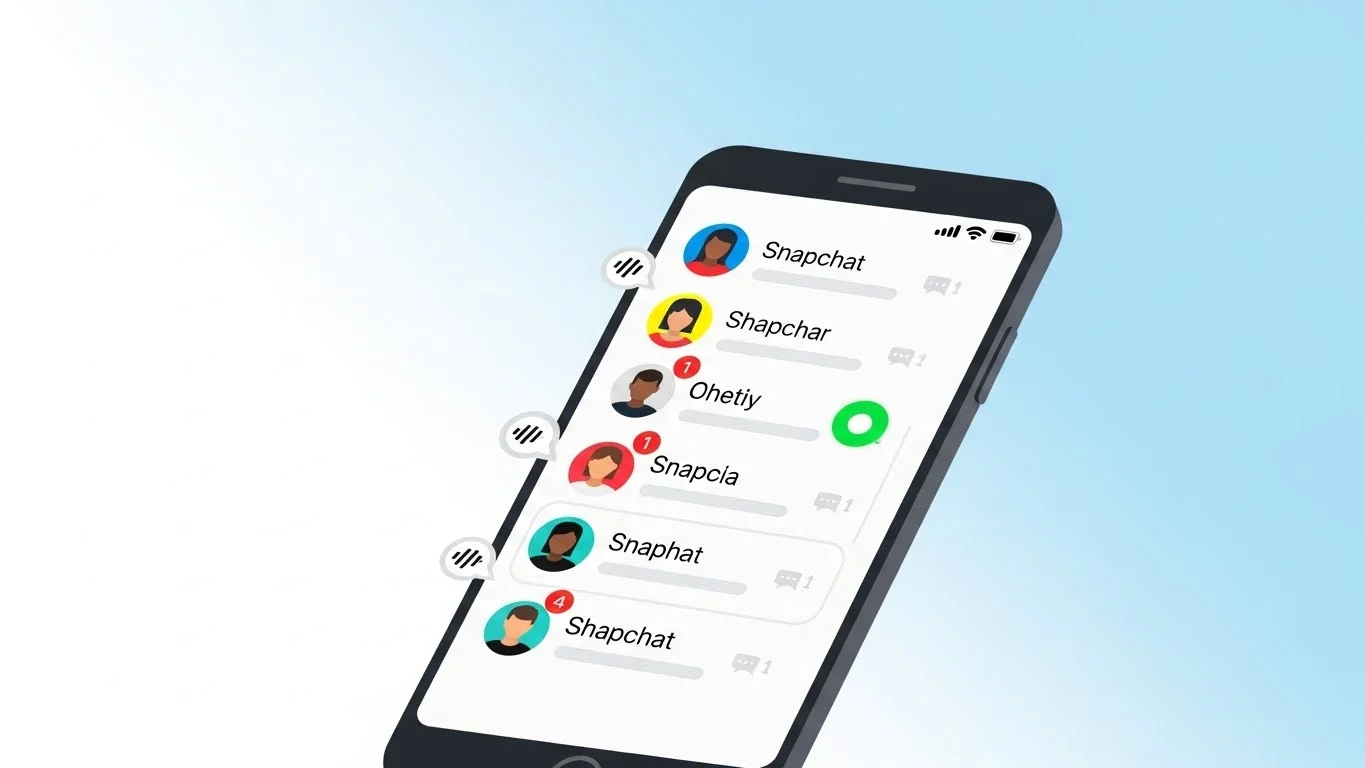
Another strong sign I’ve noticed is the chat screen behavior. When someone opens your chat, the status changes from “Delivered” to “Opened.”
Sometimes, I’ve also seen the typing indicator pop up briefly and disappear. From my experience, this usually means the person is active but maybe distracted or unsure what to reply.
These small indicators gave me clearer signals than waiting for a snap reply.
Real-Life Example
There were times when I felt ignored, but then I noticed the chat opened without a reply. Later, I realized the person was active but busy, not avoiding me. This helped me avoid overthinking.
Watching Story Activity
Stories are one of the most reliable indicators I’ve used. When someone regularly posts stories or views mine quickly, it often shows they’re active on Snapchat.
I noticed patterns where certain friends viewed my stories within minutes of posting. That consistency usually meant they were actively browsing Snapchat at that time.
If someone hasn’t posted or viewed stories for a long period, it may suggest inactivity, but it’s not a guarantee.
Bitmoji Behavior and Movement
Bitmoji actions can also hint at activity. On Snap Map, Bitmojis sometimes appear doing actions like listening to music or traveling.
From my experience, these actions update when someone actively uses Snapchat. If I saw these changes repeatedly, it usually meant the person was opening the app often.
That said, Bitmoji animations alone aren’t proof. I use them as supporting signs rather than final confirmation.
Snap Score Changes
Snap Score is another detail I’ve quietly observed over time. If someone’s Snap Score increases regularly, it means they’re sending or receiving snaps.
I once checked a friend’s Snap Score over a few days and noticed steady increases even when they weren’t replying to me. That showed me they were active, just not chatting with everyone.
This helped me understand that activity doesn’t always equal availability.
Response Timing Patterns
One thing I pay close attention to is reply timing. When someone replies quickly during certain hours and goes quiet at others, it usually reflects their activity routine.
I noticed that some friends are active late at night but barely open Snapchat during the day. Recognizing these patterns saved me from making wrong assumptions.
Common Myths About Snapchat Activity
Over time, I’ve come across many misconceptions that simply aren’t true.
One myth is that opening Snapchat automatically shows you as active to everyone. From my experience, Snapchat doesn’t broadcast activity that directly.
Another myth is that viewing a profile means someone is online. I’ve tested this myself, and profile views don’t indicate real-time activity.
People also assume that not replying means inactivity. In reality, someone can be active and choose not to respond immediately.
Why Snapchat Activity Can Be Misleading
Snapchat is designed around privacy and casual use. From what I’ve seen, this means activity signs are intentionally subtle.
Someone can open the app briefly, check stories, and leave without leaving obvious traces. This design helps users feel less pressured to respond instantly.
Understanding this changed how I interpret activity and reduced unnecessary stress.
How I Avoid Overthinking Snapchat Activity
One lesson I learned the hard way is not to overanalyze every sign. Watching Snap Map, Snap Score, and story views too closely can create misunderstandings.
Now, I use these signs as general indicators, not absolute proof. If someone matters to me, I focus more on communication patterns than hidden signals.
Final Thoughts
From my experience, telling if someone is active on Snapchat requires observing multiple signs together. Snap Map updates, chat indicators, story behavior, Bitmoji actions, and Snap Score changes all play a role.
No single sign is perfect, but when several align, it usually paints a clear picture. Most importantly, I’ve learned to respect privacy and avoid jumping to conclusions.
Snapchat activity isn’t about tracking people—it’s about understanding how the app works so you don’t misinterpret silence or delayed replies. Once I understood this, my Snapchat experience became far more relaxed and enjoyable.