How Snapchat Best Friends Feature Works?
When I first noticed the Best Friends section on Snapchat, I didn’t fully understand what it meant. Over time, by using the app daily and observing changes, I slowly figured out how this feature really works. Snapchat doesn’t explain it clearly, so personal experience plays a big role in understanding it — which is exactly how the Snapchat best friends system functions.
In this article, I’m sharing what I’ve learned from real use, small experiments, and everyday interactions to help you understand the Snapchat Best Friends feature without myths or confusion.
What Is Snapchat Best Friends?
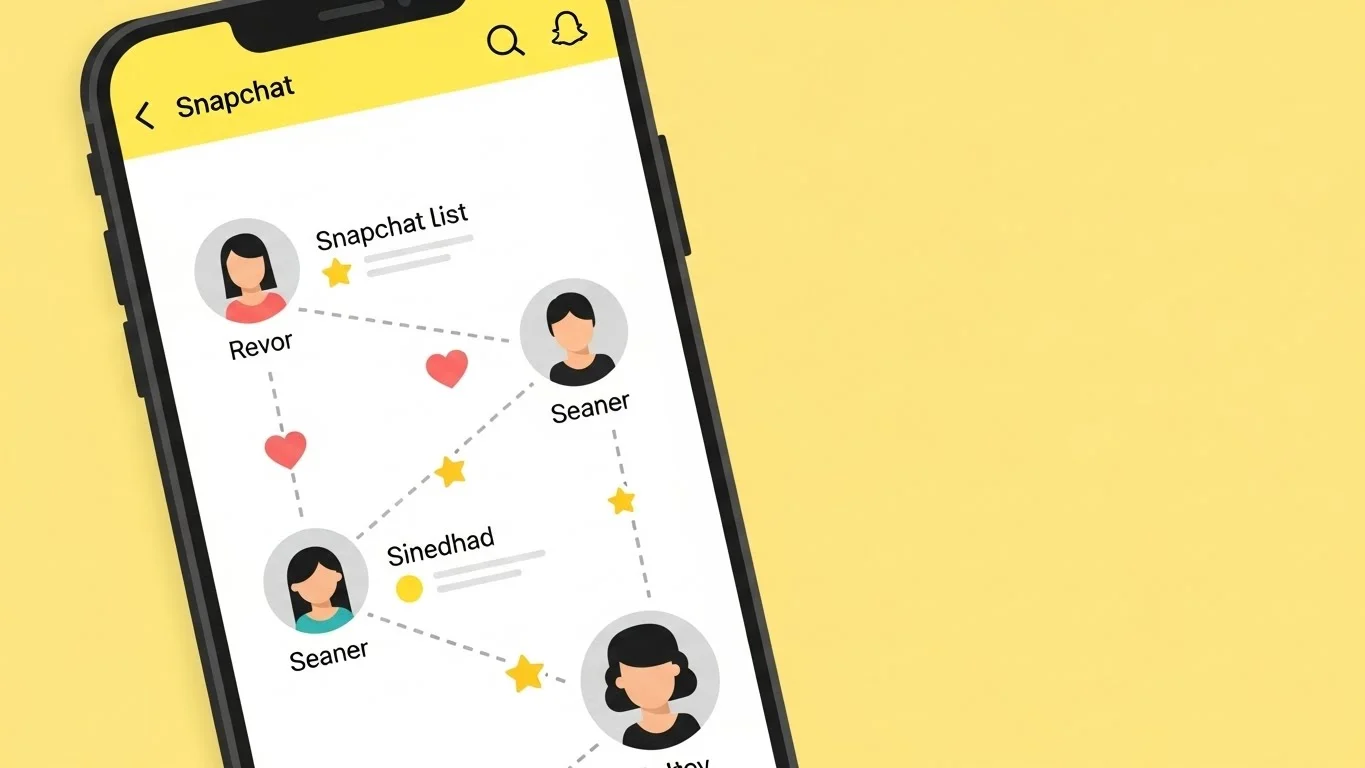
Snapchat Best Friends is a feature that highlights the people you interact with the most. These are usually the friends you send snaps to and receive snaps from regularly.
From my experience, Best Friends are not chosen manually. Snapchat’s system automatically updates this list based on how frequently and consistently you interact with someone.
Where I See My Best Friends
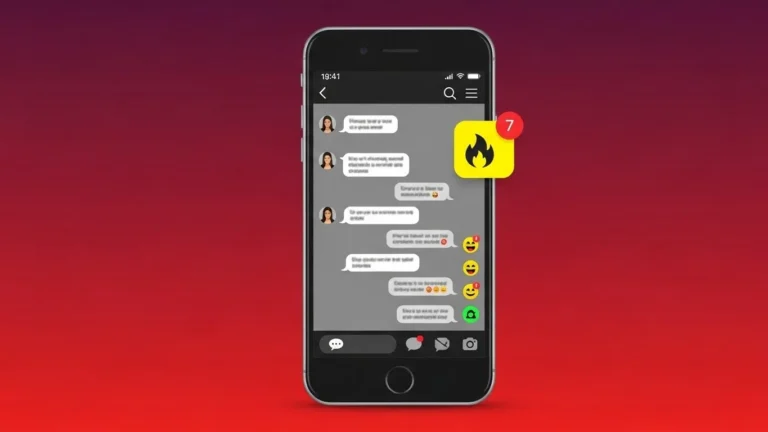
I usually see my Best Friends at the top of my chat list. Snapchat keeps them easily accessible, which makes conversations faster.
I noticed that this list isn’t permanent. Friends move in and out depending on how often I communicate with them. This dynamic nature is what confused me at first.
How Snapchat Decides Best Friends
From what I’ve observed, Snapchat focuses mainly on snap exchanges, not just chats. Sending snaps, opening snaps, and replying consistently matter more than texting.
I tested this by snapping one friend daily while only chatting with another. The snap-heavy friend moved into my Best Friends list, while the chat-only friend slowly dropped out.
How Often the Best Friends List Changes
One thing I learned quickly is that the Best Friends list can change fast. Sometimes, I’ve seen changes within a few days.
If I stop snapping someone regularly, they slowly disappear from the list. At the same time, someone I recently started snapping more often suddenly appears.
My Experience With Sudden Changes
I once noticed a Best Friend emoji disappear overnight. At first, I thought something was wrong. Later, I realized I had simply been snapping someone else more that week.
This taught me that Best Friends status is more about recent activity than long-term friendships.
Understanding Snapchat Best Friends Emojis
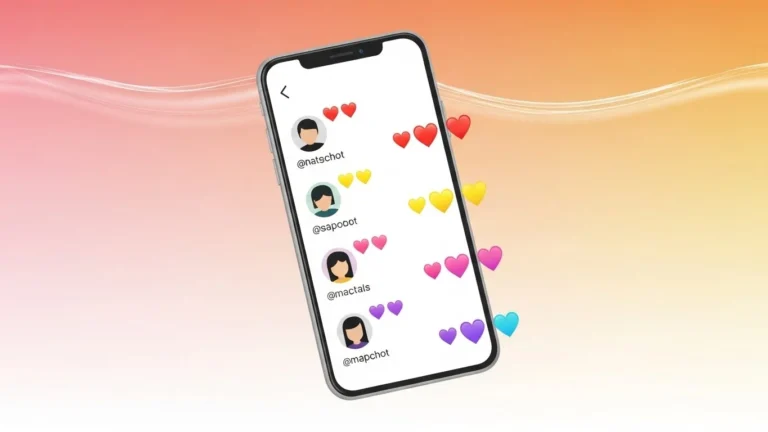
The emojis next to Best Friends confused me the most at the beginning. After observing patterns, I started understanding their meanings.
Each emoji represents the type of interaction you have with that person compared to others.
Yellow Heart Emoji
The yellow heart means you and that person are each other’s number one Best Friend.
I noticed this appear when I consistently snapped the same person every day, and they did the same with me.
Red Heart Emoji
The red heart appears when the yellow heart stays for a longer time.
From my experience, maintaining this requires steady snapping. Even missing a few days can cause it to disappear.
Pink Hearts Emoji
The pink hearts emoji shows a long-term snapping streak at the top level.
I only saw this once, and it took months of daily interaction. It felt more like a milestone than a casual emoji.
Smiling Face Emoji
The smiling face means someone is one of your Best Friends, but you might not be theirs.
I’ve seen this often with friends I snap a lot, even if they have multiple other active chats.
Sunglasses Emoji
The sunglasses emoji appears when you share a Best Friend with someone.
I noticed this when two of my friends and I were snapping the same person frequently.
Why Emojis Keep Changing
One thing I’ve learned is that emojis change faster than relationships. Snapchat updates them based on ongoing activity, not emotions.
If someone’s emoji changes, it doesn’t mean anything personal. It simply reflects interaction patterns.
Common Myths About Best Friends
At first, I believed that opening chats counted heavily. Later, I realized snaps matter more.
Another myth I believed was that Best Friends are visible to others. In reality, only you can see your Best Friends list and emojis.
Some people also think blocking or muting instantly removes someone from Best Friends. From my experience, activity matters more than settings.
How I Manage My Best Friends List
I stopped worrying about controlling the list. Instead, I let it change naturally based on who I talk to most.
When I focused less on emojis and more on genuine conversations, the app felt much more enjoyable.
Emotional Side of Best Friends
I’ll admit that seeing emojis change used to affect me. When a heart disappeared, I overthought it.
Eventually, I realized Snapchat Best Friends is a technical feature, not an emotional statement. That realization helped me relax.
Tips From My Experience
If you want to understand Best Friends better, pay attention to snap frequency rather than messages.
Don’t compare your emojis with others. Everyone’s interaction patterns are different.
Most importantly, don’t let emojis define friendships. They change quickly and don’t reflect real-life connections.
Final Thoughts
From my personal experience, Snapchat’s Best Friends feature is simple once you understand the basics. It tracks how often you snap someone and updates automatically.
The emojis are fun indicators, but they’re not permanent or deeply meaningful. Once I stopped overanalyzing them, Snapchat became more enjoyable.
Understanding how this feature works helped me avoid misunderstandings and unnecessary stress. If you treat Best Friends as a dynamic activity-based feature rather than a ranking system, Snapchat feels much lighter and more fun to use.